
Old photos are fragile in more ways than one. The paper fades, the colours shift and the people who knew who was in them grow fewer every year. Getting them scanned and labelled is a job worth doing now.
This is how the two pictures sit together on one spread.


Why it works
Do not aim for perfection. A good-enough scan with the right caption beats a perfect scan of a stranger.
Start with the photos that only one person can still name. Everything else can wait.
- Hand the camera to someone else
- Pick a fixed day each month
- Back up before deleting anything
Start with what you already have
Do not forget the in-between moments: the car park before the party, the coats piled on a chair, the walk home in the dark. They are the parts of a day that nobody photographs on purpose and everybody recognises straight away.
Hand the phone to someone else at least once a month. It is the only way the photographer gets into the book.
The book comes, and for one evening nobody looks at their phone.
Marcus, father of three
Keep it simple
On the second pass, look for variety. A month of the same room and the same faces feels flat, even if each photo is lovely on its own.
Print sizes matter less than you think. A small photo surrounded by white space can feel more special than one stretched to fill the page.
Reader tip: one family keeps a paper list on the fridge of moments they want in the next book.
When to stop
Leave a little space. Not every page needs to be full, and an empty corner gives the eye somewhere to rest.
Faces matter, but so do places. Include at least one picture of the room, the street or the view where the month happened.
- Back up before deleting anything
- Pick a fixed day each month
- Include at least one place, not just faces
Try it this month
If you share a camera roll with someone, agree on who picks which month. Taking turns means each book has a slightly different point of view, and nobody ends up doing all of the work every time.
Quiet months are worth printing too. A month with no trips and no birthdays often turns into the book people return to, because it shows what ordinary life looked like before it changed.
My mum reads the captions more than she looks at the pictures.
Leila, who writes every caption by hand
What to look for
If two photos are nearly the same, keep the one where someone is doing something. A raised hand, a turned head or a half-finished sentence gives a picture life that a perfectly still pose rarely has, even when the still one is technically better.
Back up before you delete anything. It takes a minute and removes the fear that stops people from clearing out at all.
Reader tip: one family keeps a paper list on the fridge of moments they want in the next book.
Make it a habit
Keep the phone charged and the lens clean on days you expect to matter. It sounds small, but a flat battery or a smudged lens has cost more good pictures than any missing piece of equipment.
Do not wait for a special occasion. The ordinary weeks are the ones people forget, and the ones they most want to see again.
- Hand the camera to someone else
- Leave the cover for last
- Include at least one place, not just faces
What we got wrong
Delete duplicates as you go rather than saving them for later. Later rarely comes, and a cleaner camera roll makes picking much easier.
Watch the light at different times of day in your own home. Most houses have one window that is lovely for an hour every afternoon.
I thought I needed a better camera. I needed a better window.
Tom Okafor, Paperleaf
One more thing
Do not be afraid of imperfect photos. A little blur or a stray elbow often tells you more about the day than a tidy, posed shot.
When a month has a big event in it, such as a wedding or a first day at school, let it take over. There is no rule that says every week needs equal space. The book should feel like the month felt.
Good to know: every Paperleaf book has room for thirty photos, so there is no prize for keeping more.
A few small rules
If you have too many photos of one day, that day probably mattered. Give it a spread of its own rather than cutting it down to one.
Take one photo before the moment and one after. The before and after often say more than the moment itself.
- Pick a fixed day each month
- Back up before deleting anything
- Keep one photo per day at most
Why it works
Ask someone else to look at your shortlist. They will spot the photo you were about to drop and the one you only kept out of habit.
If a month feels thin, look again at the photos you took without thinking. The best ones are often hiding there.
My mum reads the captions more than she looks at the pictures.
Leila, who writes every caption by hand
Start with what you already have
Try not to edit every photo. A little brightening is fine, but heavy filters date quickly and make a year of books look uneven when they sit together on a shelf. Let the light of the day show.
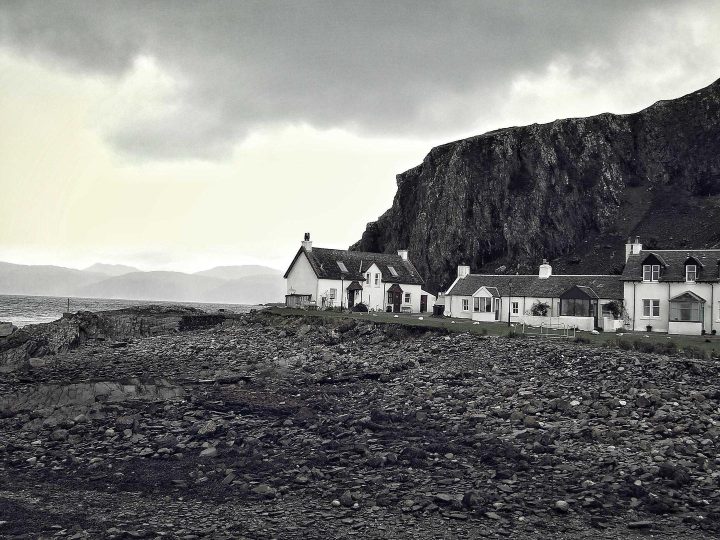
My grandmother cried when she got the book. That is all I wanted to say.
Such a simple idea and I had never tried it. Doing it tonight.
Lovely post. The bit about keeping the blurry photos made me go back and rescue a few.